Fashion, Identity, and Modern Relationships: How Clothing Reflects Social Change
Fashion has always been more than style. The way people dress often reflects deeper changes in society, relationships, and identity. Over the past few decades, men’s and women’s fashion have changed dramatically — and many people wonder whether these changes are connected to modern relationship struggles and the growing number of people staying single.
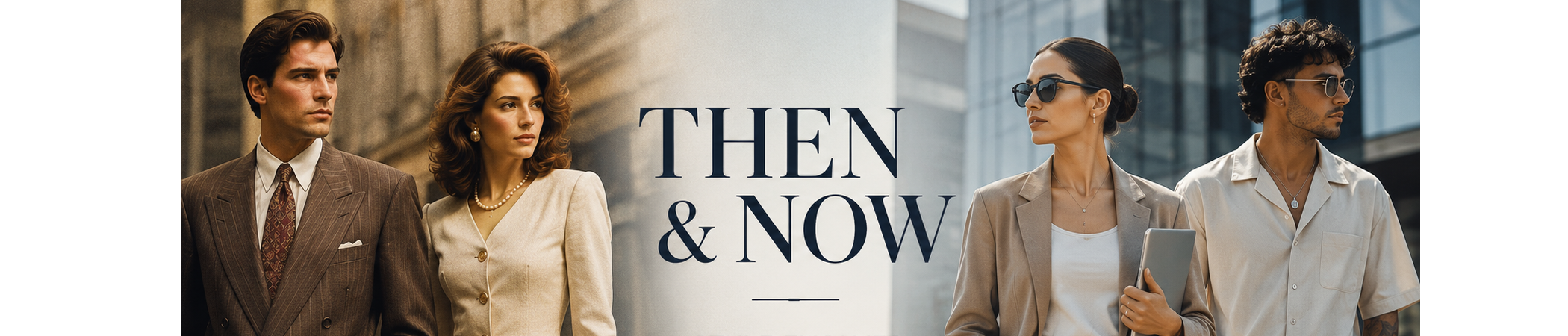
Today, men’s fashion is often softer, more expressive, and emotionally open, while women’s fashion increasingly emphasizes independence, confidence, comfort, and practicality. These shifts mirror how gender roles themselves have evolved.
In the past, fashion followed more traditional expectations:
- Men dressed to project strength, authority, and structure.
- Women’s fashion focused more on softness, beauty, and traditional femininity.
Now, those lines are far less rigid.
Modern men wear slimmer fits, softer fabrics, jewelry, skincare products, and styles that allow more self-expression. Women increasingly choose clothing that supports movement, comfort, work, travel, and independence rather than discomfort for appearance alone.
Fashion did not create these social changes — but it reflects them clearly.

Why More People Are Staying Single
At the same time fashion is changing, relationships are changing too.
More people today stay single longer, marry later, or avoid traditional relationship structures entirely. There are many reasons:
- career priorities,
- financial pressure,
- dating apps,
- emotional burnout,
- fear of commitment,
- and higher personal expectations.
But changing identity also plays a role.
Many men today feel pressure to be emotionally softer while still being expected to remain confident and successful. Many women enjoy greater independence and freedom, but also carry more responsibility and emotional pressure than previous generations.
As traditional roles become less defined, relationships can sometimes feel more complicated. People still want love and connection, but they also value independence and personal growth more than ever before.
Fashion becomes part of that conversation because clothing affects how people feel about themselves.

Clothing Influences Confidence and Behavior
Psychologists often discuss the idea that clothing affects mood, confidence, and even behavior. When people feel attractive and comfortable in what they wear, they often become more open, social, and confident.
On the other hand, discomfort can create insecurity and self-consciousness.
This is one reason comfort-focused fashion has grown so much in recent years. Consumers increasingly want products that support real life, movement, confidence, and body positivity.
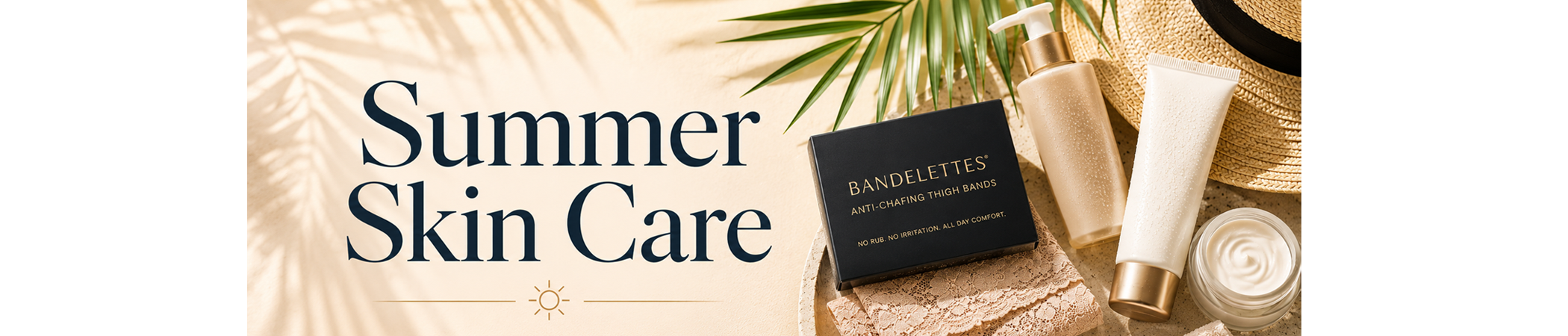
That shift helped create brands like Bandelettes.
Instead of forcing women to rely on uncomfortable shapewear, creams, or bulky shorts, Bandelettes® created elegant anti-chafing thigh bands that allow women to wear dresses and skirts comfortably and confidently.
The success of products like this reflects a much larger cultural movement:
people no longer want fashion that only looks good — they want fashion that helps them feel good too.

Fashion Reflects a New Definition of Masculinity and Femininity
Modern fashion does not necessarily mean men are becoming weak or women are becoming less feminine. Instead, society is redefining what masculinity and femininity look like today.
Men are often encouraged to express emotions more openly.
Women are encouraged to pursue independence and confidence.
Both changes can be positive.
At the same time, they create new relationship dynamics that previous generations did not experience. Many people are still learning how to balance independence with emotional connection.
Fashion reflects that transition beautifully:
- softer styles,
- practical clothing,
- gender-neutral trends,
- comfort-focused design,
- and self-expression over strict rules.
The Future of Fashion and Relationships
The future of fashion will likely continue moving toward comfort, individuality, and authenticity. People increasingly choose clothing that matches not only their appearance, but also their lifestyle and identity.
In many ways, modern fashion tells the story of modern society itself:
people searching for confidence, freedom, balance, and connection in a rapidly changing world.
And perhaps that is why fashion matters more than ever — because what we wear is often connected to how we live, how we feel, and how we relate to one another.